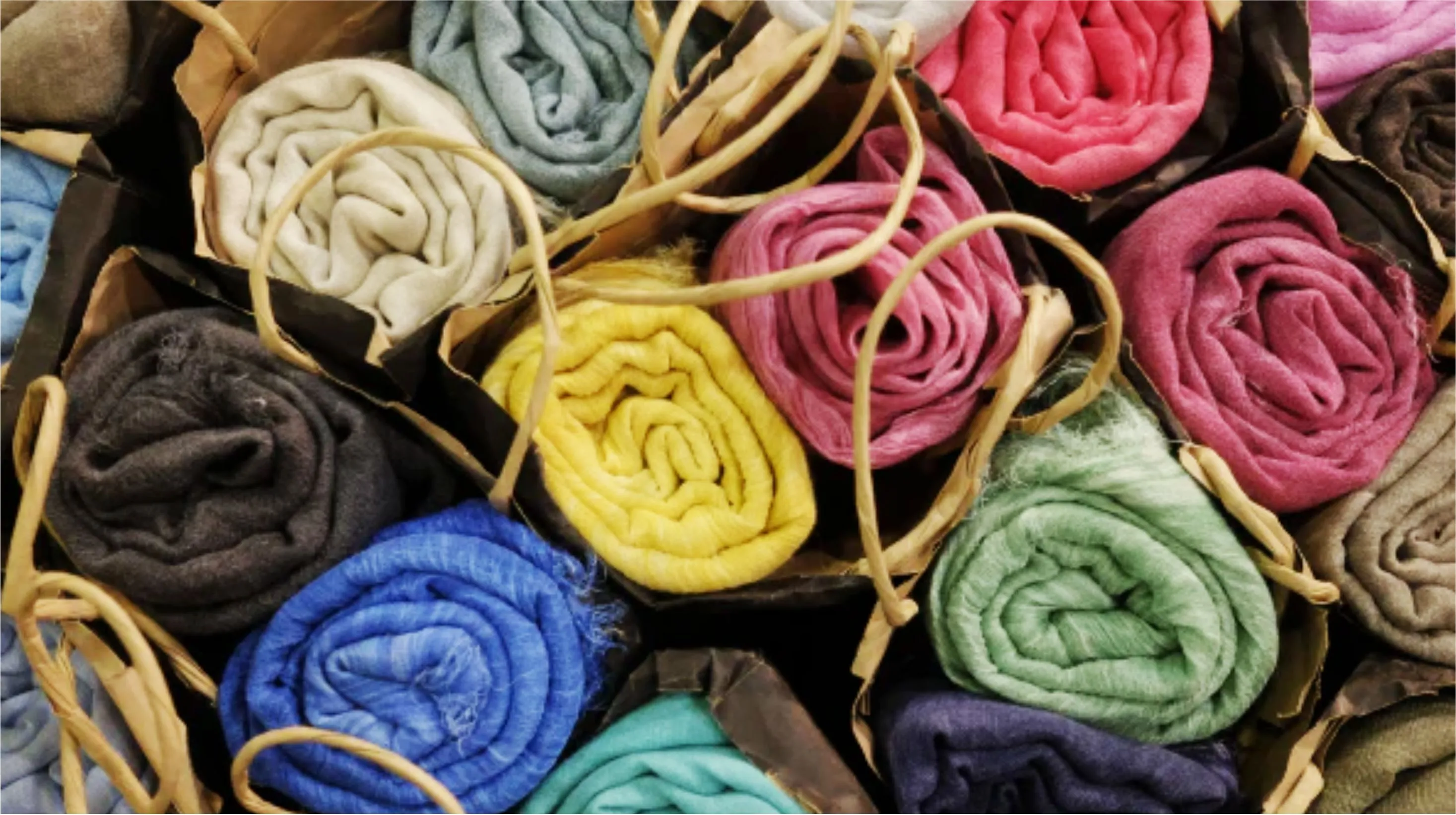
In today’s global textile market, B2B buyers are no longer focused only on price and quality. Ethical sourcing, transparency, and sustainability have become key decision factors. Buyers from Europe, North America, and the Middle East increasingly prefer suppliers who offer responsible production and traceable supply chains.
Within this shift, 100% Vegan Free textiles are emerging as a strong sourcing category. This is not just a consumer trend, it is becoming a new standard in B2B procurement, especially in home textiles and the hospitality sector.
What Does “100% Vegan Free” Mean in Home Textiles?
100% Vegan Free textiles mean that no animal-derived materials are used in the product or its production process. This includes the exclusion of fibers such as wool, silk, leather, cashmere, mohair, and down feathers.
In addition, dyes, finishes, and processing chemicals are also animal-free, avoiding ingredients like gelatin, casein, lanolin, or protein-based binders. The production process itself is completely free from animal testing. Authentic vegan textiles are typically supported by certifications such as V-Label, PETA-Approved Vegan, or Vegan Textile Certification, giving B2B buyers both trust and verification.
The “Vegan Free” Term: Market Confusion
Across global marketplaces, the term “100% Vegan Free” often creates confusion. In many cases, the original phrase is “100% Vegan, Free from harmful chemicals,” which becomes “100% Vegan Free” due to formatting issues or comma removal.
Keyword stuffing and automated translations also distort meaning. Terms like “Animal-Free” or “Vegan-Friendly” are sometimes incorrectly converted into “Vegan Free.” In multi-layer supply chains, these errors are easily replicated. This is why B2B buyers should not rely on titles alone, certifications and technical documentation must always be verified.
Material and Chemical Compliance in Vegan Textiles
Many fabrics that appear natural can still contain hidden non-vegan elements, such as animal-fat-based softeners, protein dyes, or animal glue finishes.
Certified vegan textiles replace these with plant-based fibers, recycled synthetics, and cruelty-free chemical alternatives. This approach provides both ethical assurance and chemical compliance, which is especially important for export markets and institutional clients.
Regulatory Advantage for Global Buyers
Frameworks such as the FTC Green Guides in the United States and the EU Green Claims Directive in Europe now strictly regulate “green” and “ethical” claims. Misleading or unverified claims can become legal and reputational risks.
Certified vegan textiles act as a compliance shield for B2B buyers. They ensure that marketing claims are defensible and that international trade operations remain free from regulatory complications.
Geo-Based Sourcing Benefits
Asia, particularly China, India, and Bangladesh, ffers large-scale production and cost efficiency, but verification and audits are essential. Europe is known for premium quality and strict standards, while North America is experiencing rapid growth in demand for vegan and ethical home textiles.
Geo-smart sourcing allows B2B buyers to balance cost, quality, and compliance, making their supply chains more resilient and future-ready.
Strategic Value for B2B Businesses
100% Vegan Free textiles help brands differentiate in a competitive market. They build trust, support ESG goals, and position businesses as responsible partners.
For B2B sourcing, this is not just a trend, it is a long-term strategy that strengthens regulatory readiness, brand value, and global acceptance.
Conclusion
100% Vegan Free textiles represent the future of B2B sourcing. They combine ethical responsibility, chemical safety, and global compliance within a single framework.
Businesses that adopt certified vegan textiles today will not only meet current market expectations, they will position themselves as the sustainable textile leaders of tomorrow.